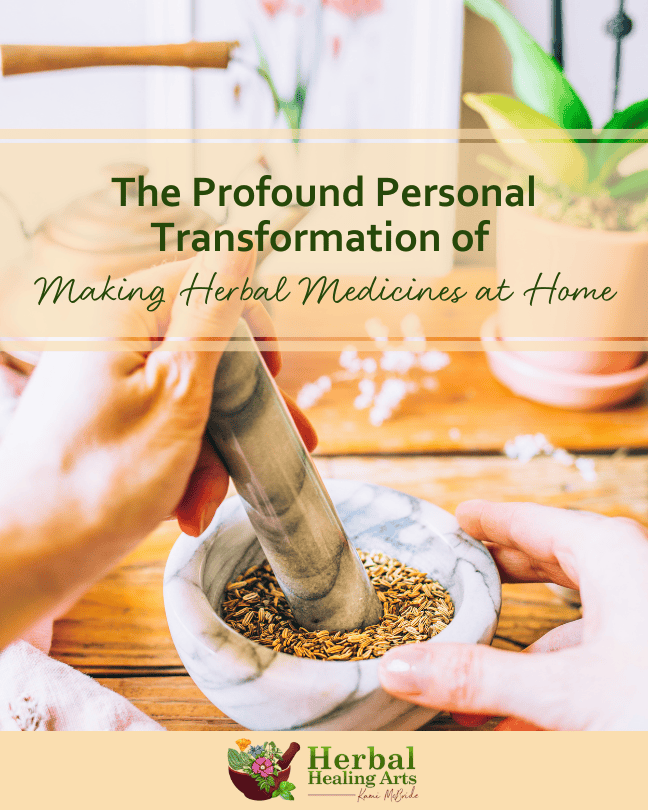
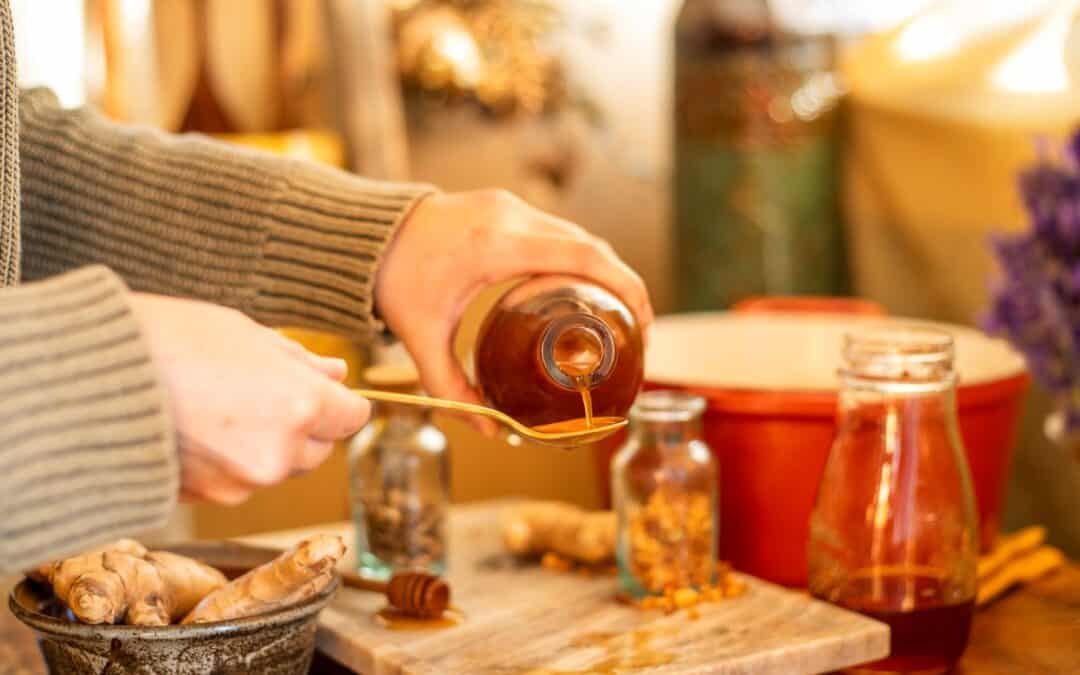
Have you ever wondered about what it means to step back from reaching for those over-the-counter medications and instead, create your own herbal medicines?
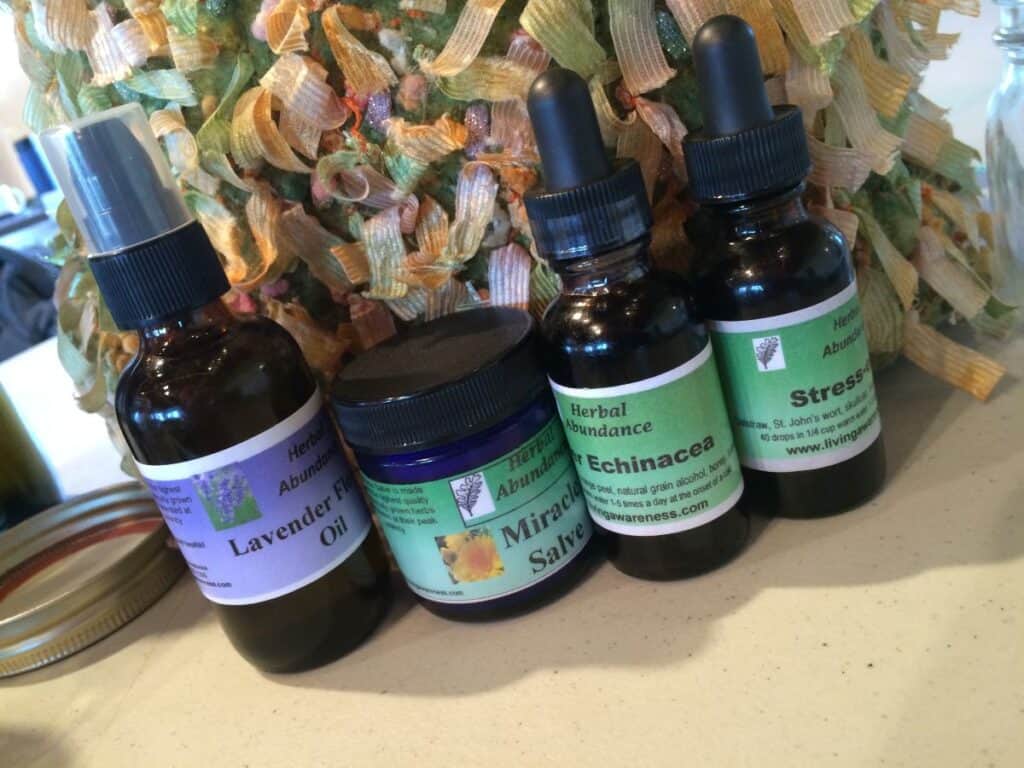
I’m not just talking about saving a few dollars or enjoying a trendy hobby. I’m talking about what it means to experience a profound transformation that ripples through every aspect of your life.
After 35+ years of teaching thousands of students how to make herbal medicines at home, I’ve witnessed something remarkable: the benefits extend far beyond just chasing down a sniffle or an upset stomach.
From Isolation to Community Connection
As a confident herbal medicine maker, a deeper connection is real. What begins as looking to expand your herbal skills evolves into community resource sharing – trading preparations with neighbors, teaching basic techniques to interested friends, or connecting with local plant lovers. These interactions create relationship depth that is steeped in health, earth awareness and community healing.
Here’s what happens: You start by making a simple tea for your daughter’s tummy ache. The next thing you know, your neighbor mentions her son has the same issue, and you’re sharing your chamomile-fennel blend along with how she can make it herself.
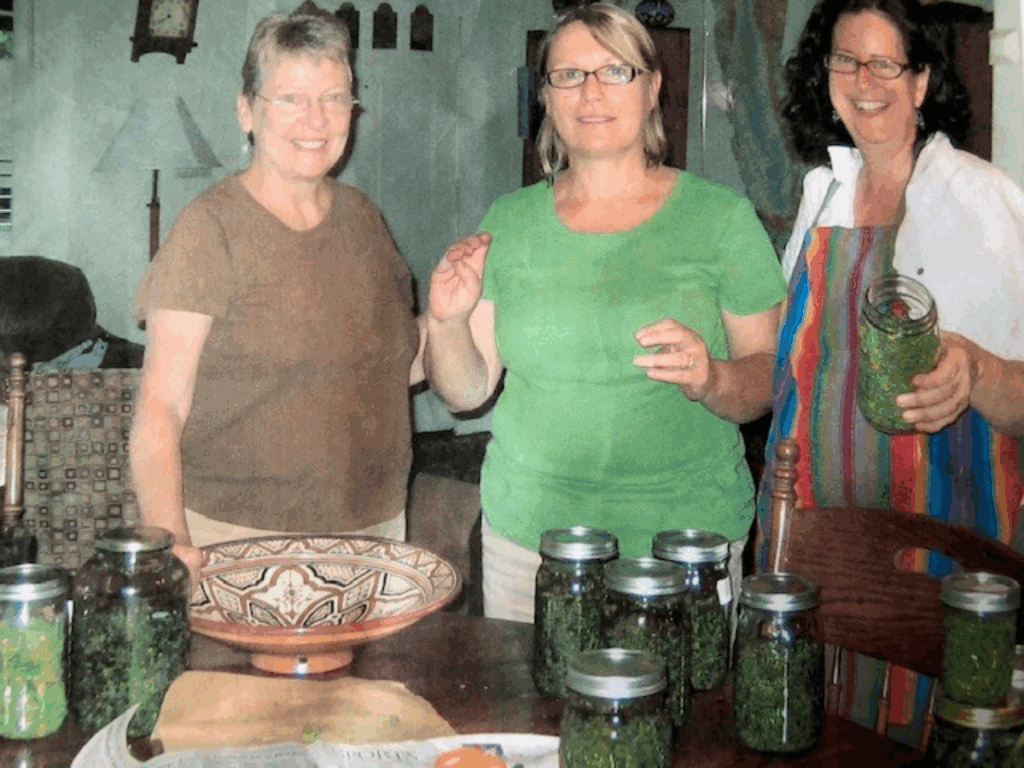
I remember Maria, one of my first students, who started with making basic remedies for her family. Within a year, she had become that person in her neighborhood – the one people called when the medications were wreaking havoc with side effects or when they wanted something gentler for their children and elderly parents.
This doesn’t happen through self-promotion. It unfolds naturally when your remedies work and your genuine care shines through.
What I love most is watching elders and young ones connect through “plant magic.” I’ve seen the most incredible bonds form when an elder teaches a child how to identify plantain in the yard and make a simple poultice for bee stings. These moments create connections and bonds that are strengthened through sharing knowledge of how to work with the earth and help ourselves.
From Anxiety to Grounded Calm
Remember the last time a child in your house started getting sick? All the things…you can’t really afford to take time off work…the difficulty of them catching up on homework after having been out of school, and the slight panic about whether everyone in the house will end up sick.
There’s a remarkable shift that happens after you’ve treated dozens of common ailments with plants. You develop a sense of calm because you’ve witnessed how the right plants support your body’s natural resilience.
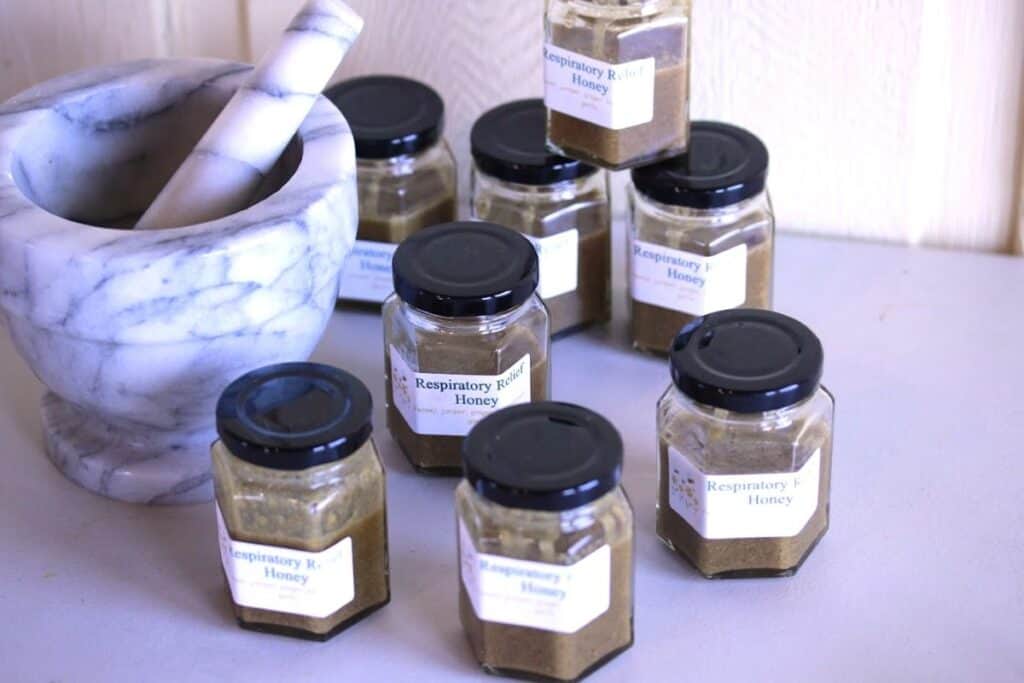
I see this in my students all the time. Melissa told me, “Before I knew how to use herbs, every sniffle sent me into a tailspin of worry. Now I just go to my herbal medicine cabinet and get to work.
The regular sensory engagement with aromatic plants actually recalibrates your nervous system. Touching, smelling, and working with herbs triggers your parasympathetic nervous system – that “rest and digest” mode that counteracts stress. This isn’t just folklore; researchers have documented these effects extensively.
A profound sense of pride emerges from caring for family health needs with your homemade herbal medicines. The satisfaction of addressing a health concern with a remedy created by your own hands provides a sense of agency no purchased product can match. This satisfaction accumulates, creating emotional resilience and even more confidence in having what it takes to care for those around you.
From Fragmented Knowledge to Integrated Wisdom
In our specialized modern world, we rarely get to develop truly integrated thinking. But herbal medicine making demands exactly that. You’re simultaneously considering plant properties, individual needs, preparation methods, and healing objectives.
Your observation skills transform too. You start noticing subtle responses in your body and the bodies of your loved ones. You have a stronger sense of how to work preventively with home health care instead of waiting until someone crashes. There’s proficiency in recognizing pre-sickness signals so that you use herbal medicines when they work the best – at the onset.
From Consumer to Creator
There’s something so healing about meeting basic needs through direct personal knowledge rather than dependence on specialists and commercial products.
At the identity level, herbal medicine making facilitates a profound shift from passive consumer to active creator. This transformation touches something that many of us feel is missing, the satisfaction of meeting basic needs through direct personal knowledge rather than dependence on specialists and commercial systems.
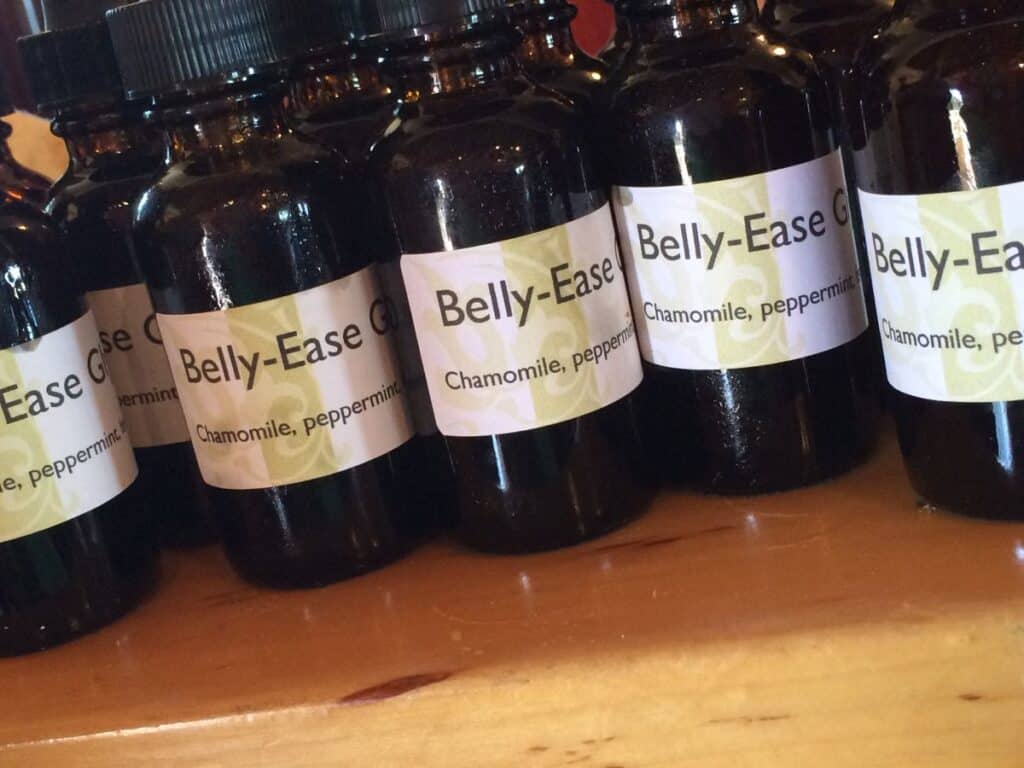
This isn’t about rejecting modern medicine. It’s about reclaiming the basic healing competence that is our human birthright.
Self-reliance grows naturally through accumulated experiences addressing common health concerns. Home herbalists often describe a sense of personal sovereignty – the freedom to make informed choices rather than defaulting to conventional options out of lack of alternatives.
Jennifer, a nurse practitioner and long-time student, told me: “I value modern medicine deeply – it’s my profession. But there’s an entirely different feeling when I create a remedy for my family versus writing a prescription or recommending an over-the-counter product. It touches something primal in me.”
Many of my students describe developing a deeper relationship with place through their herbal practice. The plants in your yard shift from background scenery to recognized allies with seasonal rhythms. Your bioregion becomes populated with known plant allies rather than generic greenery. The earth around you becomes a partner rather than property.
Your Intergenerational Legacy
Perhaps what moves me most after decades of teaching is witnessing the legacy dimension of herbal practice. Each remedy you create and share becomes part of a living tradition connecting past wisdom with future possibilities.
When the young ones in your life watch you creating remedies, they internalize not just specific techniques but a fundamental orientation toward active engagement with health rather than passive consumption of healthcare.
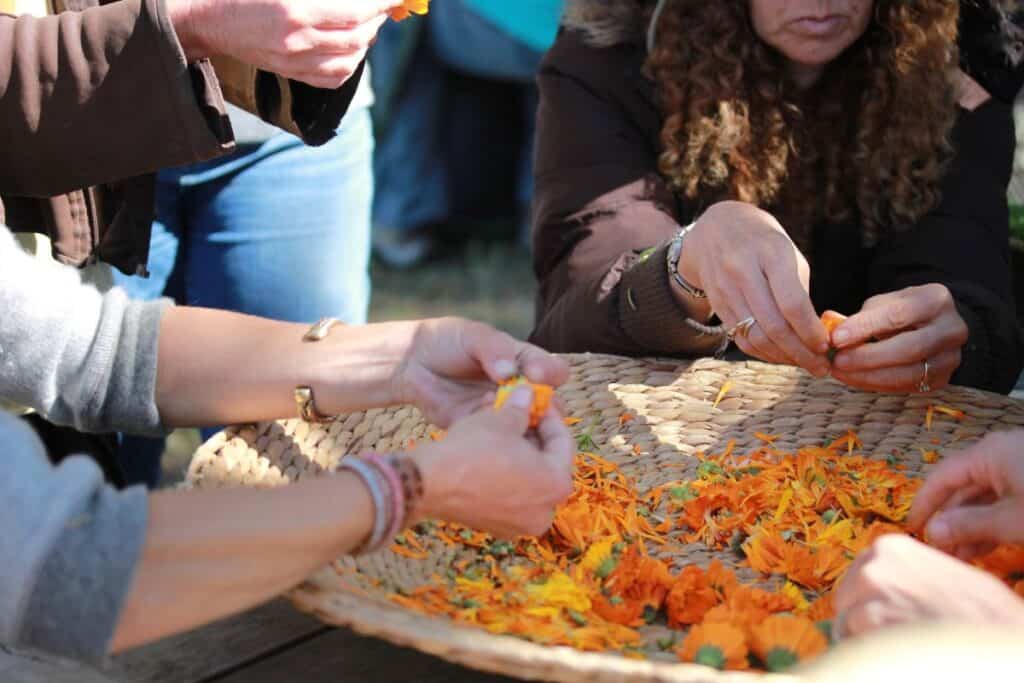
I’ve had three generations of families come through my courses together. The grandparents often tell me, “This knowledge died with my grandmother. I never thought I’d get to pass it to my grandchildren.”
Many students describe a sense of participation in something larger than themselves – becoming a link in a continuing chain of practical wisdom that stretches back centuries and forward to generations yet unborn.
Why This Matters Now More Than Ever
In our current world of increasing healthcare costs, chronic disease, and disconnection from nature, this knowledge isn’t a luxury – it’s essential.
The Surgeon General has warned that today’s children may have shorter lifespans than their parents due to chronic disease appearing at younger ages. We have to start somewhere in addressing this crisis.
Why not begin with reclaiming the simple, effective home medicine traditions that kept humans well for thousands of years before the advent of modern pharmaceuticals?
When you make that first cup of sage tea or that first jar of elderberry syrup, you’re not just making medicine. You’re making a connection. You’re making a statement about what kind of relationship you want with your health, your family, and your world.
If you’re interested in learning more about how you can herbify your kitchen and make delicious health-boosting treats the whole family can enjoy, you might want to take a peek at the Herbal Kitchen Remedy Solutions course.
Ready to transform your relationship with health from passive consumer to empowered creator?
What herbal remedy would you most like to learn to make yourself? If you’re already well into home herbalism, what herbal medicines really move the needle for you? I’d love to hear in the comments!