Have you ever felt tension build up in your shoulders and stay there? I notice it happens when I’ve had too much on my mind. That’s your vagus nerve doing its thing. It starts at the base of the brain and moves down through the neck, touching the heart, lungs, and belly. It’s part of how the body reminds you to rest.
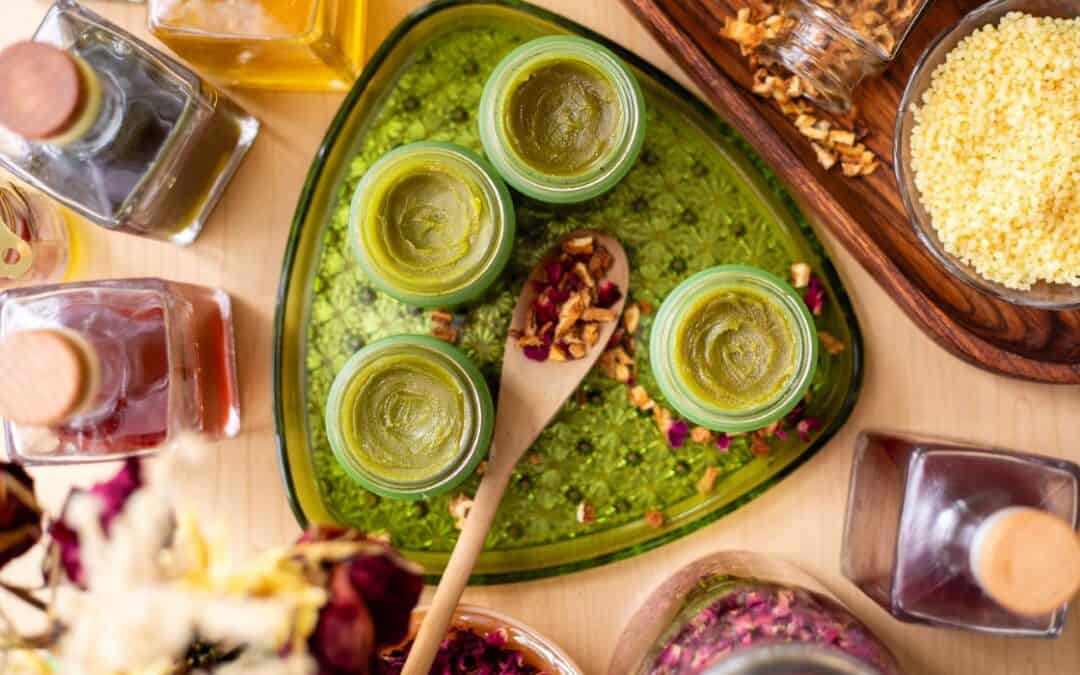
This nerve tightens when stress builds. You may experience shallow breathing or even feel your heart flutter from time to time. If it occurs often, the body stays on alert. Give it some attention, and things settle down again. I like using herbs and oils for that. When I rub a bit of salve into my neck and take a slow breath, things ease up.
Herbs for Vagus Nerve Support
Each herb in this blend is something special. Some are nervines, herbs that calm the nerves. Others are adaptogens, which help you handle stress over time. Here are a few of my go-to botanicals when I make a vagus nerve salve at home.
St. John’s Wort (Hypericum perforatum)
This plant brings what I call “botanical sunshine.” It lifts the spirits and supports the nervous system in a gentle way.
It’s an amazing herb to use topically because it helps with nerve pain and regeneration. People have used it traditionally for strain or injury. When I rub it on tight or achy spots, I can feel things loosen a bit.
The flowers bloom right at the height of summer. If you crush a petal between your fingers, you’ll see red oil begin to stain the skin’s when you know it’s ready to make a good, rich oil infusion.
Rose (Rosa spp.)
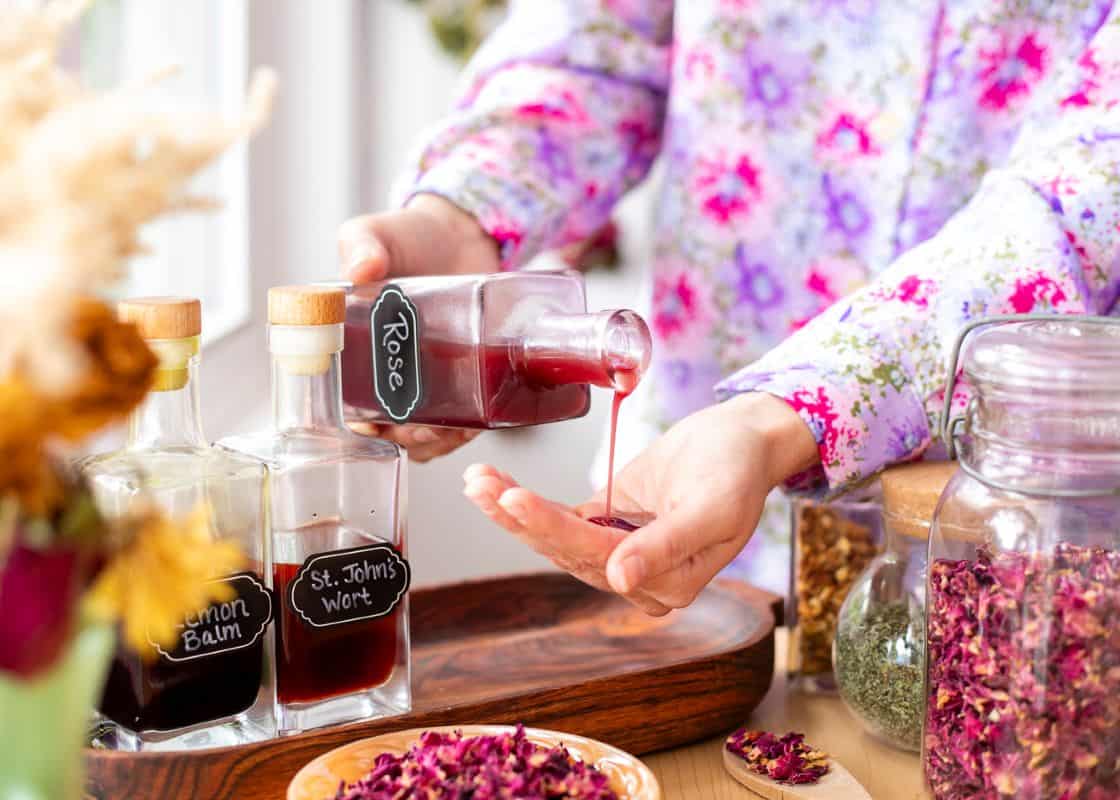
When I brush past a rose bush, the scent always makes me smile. That fragrance alone can ease the heart. I keep jars of dried petals and a bottle of rose oil nearby for days when I need to take a breath even in the middle of a chaotic schedule..
Rose steadies your nerves while toning and cooling the skin. The petals contain antioxidants and vitamin C that nourish and protect. I add them to oils and salves when I want something comforting.
A fun bit of history: people once held gatherings called Rosalia where rose petals were used to honor love and loss. It’s one of the many ways this flower has long been connected to the heart.
Lemon Balm (Melissa officinalis)
Lemon balm is a nervine that smells fresh, like crushed lemon leaves. It has strong antiviral actions and is used for nervous upset. I add it to salves for the neck and chest because it supports the skin and the vagus nerve.
This herb is the main ingredient in a traditional tonic called Carmelite water. It came from a group of monks in Paris in the early 1600s and was mixed with other herbs and spices. People would sip it or rub a little on their skin to help calm their nerves and mind. You can still find versions of it in France and Germany today, which tells you how much people have treasured lemon balm over the centuries.
Its soft citrus note blends easily with rose and St. John’s wort. The three herbs work together to take the edge off of a rough day.
Tulsi (Ocimum tenuiflorum)
Tulsi, or holy basil, has a unique place in Indian gardens. You’ll often see it growing in courtyards, cared for every morning with water and prayer. I snip and smell leaves from my plant almost daily, that warm, clove aroma never gets old.
It acts as both a nervine and an adaptogen, and it allows the body to destress. It’s one of my go-to choices when my mind feels busy or my energy is low.
Ayurvedic texts describe tulsi as a rasayana, a plant people rely on for long-term strength. Use it in a salve, and its warming scent makes breathing easier and helps the body let go of worry.
Orange Peel (Citrus sinensis)
Grate an orange and the smell of the peel hits instantly. Adding a bit to topical blends gives the salve a light, uplifting aroma that lingers nicely.
Many herbalists keep orange peel on hand since it gently tones the skin and boosts circulation. In a vagus nerve salve, it adds an elevated note to other deeper, grounding herbs.
How to Make Your Salve
Ingredients
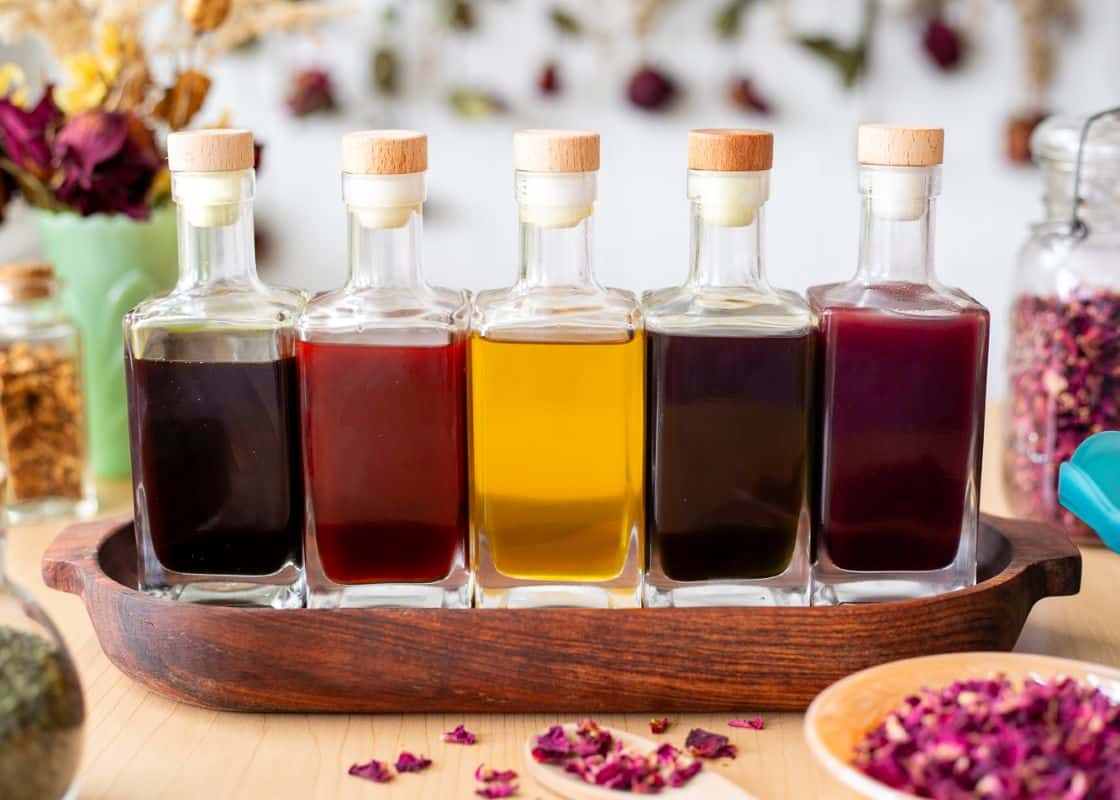
- 3 oz. St. John's wort-infused oil
- 3 oz. rose-infused oil
- 2 oz. lemon balm-infused oil
- 2 oz. Tulsi-infused oil
- 1 oz. orange peel-infused oil
- 5 tbsp beeswax (use more for a firmer salve, less for a softer one) Tip: For a vegan version, use candelilla wax instead of beeswax. You’ll need about 2/3 the amount called for, since it creates a harder texture.
Instructions
- Fill a small pot with about 2 inches of water and place it over medium heat. Set a heat-safe glass measuring cup or bowl inside to create a basic double boiler.
- Add your herbal oils and beeswax to the top bowl. Warm, stirring every few minutes until the beeswax is completely melted and the mixture looks clear. Keep the heat low and steady, and avoid getting any water into the oils because it can reduce the shelf life of the oil.
- Once the wax has melted, carefully remove the bowl from the hear. Stir again to be sure everything is evenly mixed.
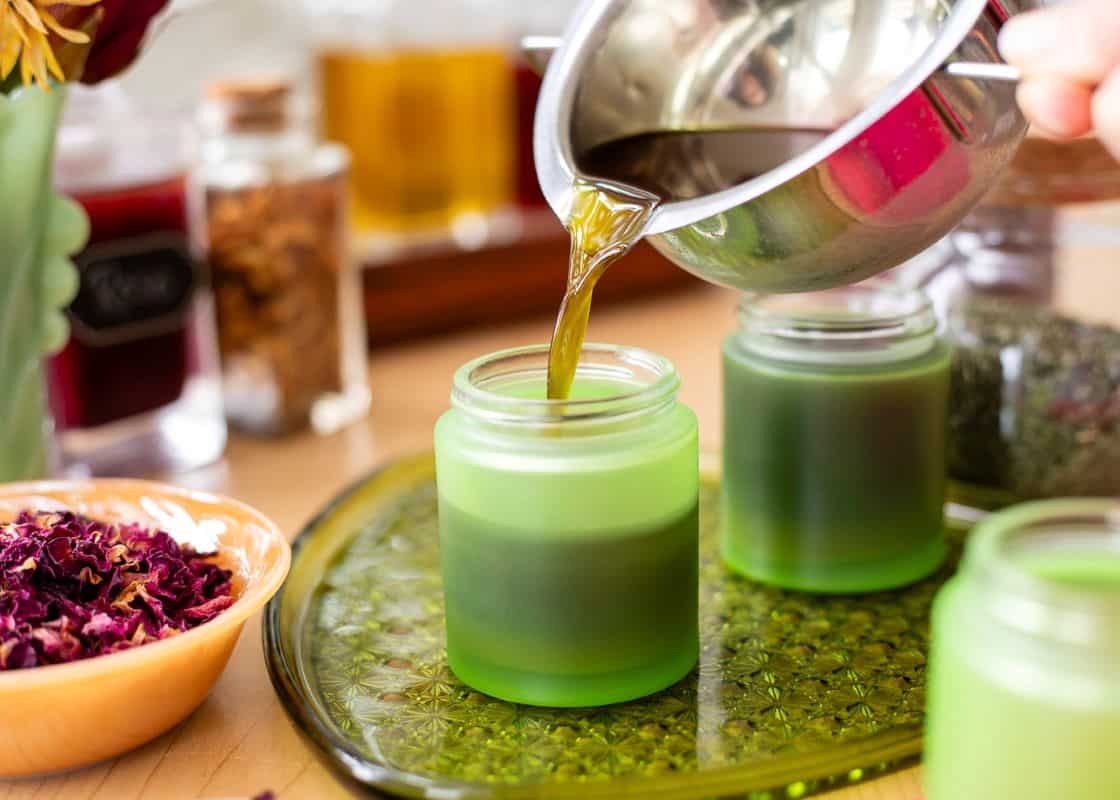
- Pour the warm salve into clean, dry jars or tins.
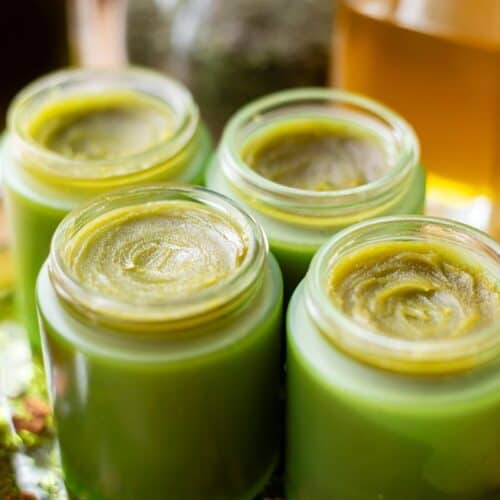
- Let it cool until solid, then cover with lids and label.
Notes
Weaving It Into Your Day
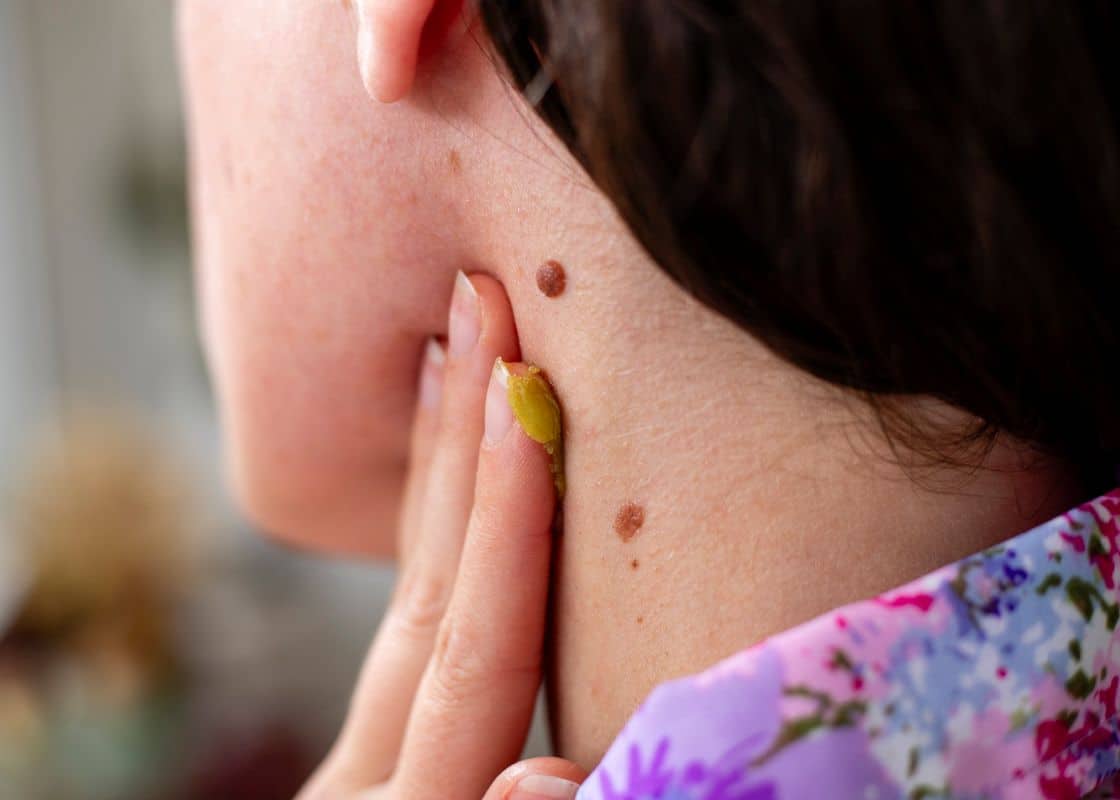
This salve is just one way to help calm the vagus nerve. You can also hum, sing, take a few big breaths, or spend time outside. Even splashing your face with cool water can provide relaxation. Sometimes I like to do a relaxing herbal foot soak after my vagus nerve massage to give my nervous system extra love before bed. Little moments such as these add up. Keep your salve handy and use it as a reminder to pause and care for yourself. You might share it with a friend or family member who could use a bit of comfort.


I haven’t made infused oils with holy basil, lemon balm, or rose yet, but you are definitely inspiring me to start some, I already have the dried herbs from my garden last year(except the rose petals). Thank you, Kami.
Great! Those oils will make wonderful additions to your apothecary.
Perfect timing. Thanks again Kami.
Yes, we can all use some calming about now!
I love all Kami lessons. I wish I could source st johns wort flowers to make an oil.
In my full oils course, I will teach you how to make potent herbal infused oils and also provide you with my trusted sources. I have several sources that ship fresh sjw herb when it’s in season. Here’s the link to my comprehensive course: Handcrafted Healing Herbal Oils
This salve sounds so soothing! Just what I’ve been needing 😁Thank you Kami
So many of us need this balm right now!!